Smart Backyard Solutions: Easy Garden Care Ideas That Save Time Every Week


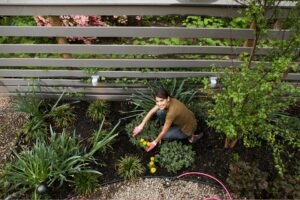
Life gets busy, but that does not mean your yard has to suffer. With the right approach, anyone can enjoy a healthy outdoor space without spending hours every weekend on chores. The secret is choosing simple methods that reduce work while keeping plants healthy. In fact, drought-tolerant plants make it much easier to maintain a beautiful landscape while using less water and requiring less attention throughout the year.
Choose Greenery That Thrives with Little Attention
The plants you choose can make the biggest difference in how much time you spend working outdoors. Native plants often grow well because they already fit your local climate. They usually need less watering, fewer fertilizers, and fewer treatments for pests.
Likewise, perennial flowers return every year without needing to be replanted. Shrubs, ornamental grasses, and hardy ground covers also reduce ongoing maintenance. As a result, your garden stays attractive while demanding much less effort from you.
Create Healthy Soil That Supports Long-Lasting Growth
Healthy soil helps plants grow stronger from the beginning. Before planting, mix compost into the soil to improve drainage and provide natural nutrients. Rich soil holds moisture longer, which means plants stay healthier during dry weather.
In addition, healthy roots grow deeper and become more resistant to stress. Because of this, you spend less time replacing weak plants or solving common growing problems. Investing in the soil early pays off for many seasons.
Keep Moisture in the Ground Naturally
Watering every day can quickly become a burden. Fortunately, mulch offers an easy solution. A layer of bark, shredded leaves, or wood chips keeps moisture in the soil while reducing evaporation.
At the same time, mulch blocks sunlight from reaching weed seeds. Consequently, fewer weeds appear, and the soil stays cooler during hot weather. This simple habit saves time and supports healthier plant growth all season long.
Cut Down Weekly Chores with Smarter Watering
Instead of dragging hoses around the yard, install a simple drip irrigation system or soaker hose. These systems deliver water directly to plant roots where it is needed most. Therefore, less water is wasted through evaporation.
Even better, adding a timer allows watering to happen automatically. This approach supports healthy plants while giving you more free time. Many busy homeowners quickly discover that automatic irrigation system solutions become one of their favorite gardening upgrades.
Design Spaces That Stay Organized
A thoughtful layout reduces future maintenance. Group plants with similar sunlight and watering needs together so you can care for them more efficiently. Wide planting beds also reduce the amount of lawn that requires mowing every week.
Curved pathways, decorative stones, and clearly defined borders keep the landscape looking neat with very little work. Furthermore, organized spaces make seasonal cleanup faster because every area has a clear purpose.
Control Unwanted Growth Before It Starts
Weeds become much easier to manage when you stop them early. Thick mulch creates the first line of defense, but ground cover plants can also fill empty spaces before weeds have room to grow.
Meanwhile, pulling small weeds once a week takes only a few minutes compared to removing large patches later. Regular attention prevents bigger problems, making the entire yard easier to manage over time.
Make Lawn Care Less Demanding
Lawns often require the most maintenance in any landscape. However, you can reduce that workload by shrinking grassy areas and replacing them with flower beds, shrubs, decorative gravel, or ground covers.
Also, mowing at the correct height encourages deeper roots and healthier grass. Taller grass shades the soil, reduces moisture loss, and naturally slows weed growth. As a result, your lawn remains healthier with fewer treatments and less frequent watering.
Enjoy a Beautiful Outdoor Space All Year
Creating an attractive landscape does not require endless hours of work. Instead, smart planning and simple choices help you enjoy your yard while spending more time relaxing. Adding easy landscape maintenance techniques from the beginning creates lasting results that continue improving year after year.
Every season brings small tasks, but they become much easier when your garden is designed for simplicity. Healthy soil, reliable watering, durable plants, and thoughtful layouts work together to reduce stress and increase enjoyment. In the end, a low-effort garden allows busy homeowners to appreciate nature without sacrificing valuable personal time.