Organic Gardening Tips: How to Grow Healthy Plants Without Chemicals


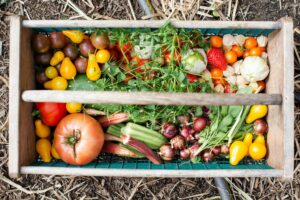
Organic gardening has become one of the most effective ways to grow healthy plants while protecting the environment. More homeowners now choose natural gardening methods to grow fresh vegetables, colorful flowers, and thriving landscapes without relying on synthetic chemicals. Instead of forcing rapid growth with artificial products, organic gardening focuses on building healthy soil, encouraging beneficial organisms, and creating a balanced ecosystem.
This approach produces stronger plants over time because healthy roots develop in nutrient-rich soil filled with natural life. As a result, plants often become more resistant to pests, diseases, and changing weather conditions. Furthermore, gardeners enjoy fresh produce with greater confidence, knowing they have avoided unnecessary chemical exposure.
Build Healthy Soil Before You Plant
Healthy soil serves as the foundation of every successful organic garden. Plants cannot reach their full potential unless their roots grow in fertile, well-balanced soil. Therefore, improving soil should always become the priority before planting flowers, herbs, fruits, or vegetables.
Start by adding compost, aged manure, or other organic matter to the soil. These natural materials improve drainage, increase moisture retention, and provide valuable nutrients that plants need throughout the growing season. In addition, compost supports beneficial bacteria, fungi, and earthworms that continuously improve soil structure.
Testing your soil also helps you understand its nutrient levels and pH. Once you know what your soil needs, you can make targeted improvements instead of adding unnecessary products.
Choose Plants That Match Your Growing Conditions
Plant selection plays an important role in the success of organic gardening. Healthy plants begin with choosing varieties that naturally perform well in your climate and soil conditions. Consequently, they require less maintenance and experience fewer problems throughout the season.
Native plants often adapt well because they have evolved alongside local weather patterns and beneficial insects. Likewise, disease-resistant vegetable varieties reduce the need for treatments while producing reliable harvests.
Rather than trying to grow every available plant, focus on varieties that fit your available sunlight, rainfall, and growing space. This simple decision often leads to healthier gardens with less effort.
Feed Plants With Natural Nutrients
Organic gardens rely on natural nutrient sources instead of synthetic fertilizers. Compost remains one of the most valuable resources because it supplies nutrients gradually while improving soil quality year after year.
Additionally, organic fertilizers made from plant and natural mineral sources provide balanced nutrition without overwhelming plant roots. Seaweed extracts, fish emulsions, and compost tea also support healthy growth during active growing periods.
However, avoid applying excessive fertilizer, even when it is organic. Too much fertilizer can encourage weak, leafy growth instead of strong flowers, fruits, and vegetables. Instead, observe your plants regularly and feed them according to their actual needs.
Water Wisely for Stronger Plants
Proper watering strengthens root systems and supports healthy plant development. Deep watering encourages roots to grow farther into the soil, allowing plants to access moisture during dry weather. On the other hand, shallow watering keeps roots near the surface, making them more vulnerable to heat and drought.
Water early in the morning whenever possible. Morning watering reduces evaporation while allowing leaves to dry during the day. As a result, plants experience fewer fungal problems and remain healthier throughout the growing season.
Adding organic mulch around plants also helps conserve moisture. Straw, shredded bark, compost, and wood chips reduce evaporation while suppressing weeds that compete for water and nutrients.
Control Pests Naturally
Every garden attracts insects, but not every insect causes damage. In fact, many beneficial insects help control harmful pests naturally. Ladybugs, lacewings, praying mantises, and pollinators all contribute to a balanced garden ecosystem.
Instead of reaching for chemical pesticides, inspect plants regularly and remove small pest populations before they spread. Hand picking larger insects often solves minor problems quickly. Likewise, spraying plants with insecticidal soap or neem oil can help control common pests without harming the surrounding environment when used correctly.
Growing a variety of flowers alongside vegetables also attracts beneficial insects that naturally reduce pest populations. Consequently, your garden develops greater long-term stability.
Prevent Plant Diseases Through Good Gardening Habits
Disease prevention always works better than disease treatment. Therefore, create growing conditions that encourage healthy plants from the beginning.
Space plants properly to improve air circulation. Good airflow helps leaves dry faster after rain or watering, reducing the chance of fungal diseases. Remove damaged or diseased leaves promptly to prevent infections from spreading throughout the garden.
Crop rotation also protects soil health. Growing different plant families in different locations each season interrupts the life cycles of many soil-borne pests and diseases. Over time, this practice strengthens the entire garden while reducing recurring problems.
Encourage Biodiversity Throughout Your Garden
A diverse garden supports a healthier ecosystem. Mixing vegetables, herbs, flowers, and native plants creates habitats for beneficial insects, birds, and pollinators. These natural helpers improve pollination while contributing to balanced pest control.
Flowering plants provide nectar throughout the growing season, attracting bees and butterflies that support fruit and vegetable production. At the same time, birds often feed on insects that might otherwise damage crops.
By encouraging biodiversity, gardeners reduce the need for outside intervention while creating a vibrant outdoor space filled with life.
Practice Sustainable Garden Maintenance
Organic gardening extends beyond growing healthy plants. It also includes responsible use of natural resources. Collecting rainwater, composting kitchen scraps, and reducing unnecessary waste all contribute to a more sustainable garden.
Regularly cleaning garden tools also prevents the spread of diseases between plants. Furthermore, removing weeds before they produce seeds keeps future maintenance manageable.
Seasonal observation allows gardeners to identify areas for improvement while building knowledge from year to year. Consequently, every growing season becomes more productive than the last.
Enjoy Long Term Success With Organic Gardening
Organic gardening rewards patience and consistency. While chemical products often promise quick results, natural gardening builds lasting soil health that benefits plants for many years. As soil improves, plants become stronger, harvests become more productive, and garden maintenance often becomes easier.
Every healthy compost pile, beneficial insect, and thriving plant contributes to a balanced ecosystem that supports sustainable growth. Moreover, gardeners gain the satisfaction of producing fresh vegetables, herbs, flowers, and fruits without relying on synthetic chemicals.
By following these organic gardening tips, you can create a healthier garden that benefits both your family and the environment. With healthy soil, smart watering, natural pest control, and thoughtful plant selection, your garden will continue to flourish season after season while remaining productive, beautiful, and environmentally responsible.