Organic Gardening Tips for Growing Healthy Plants Naturally


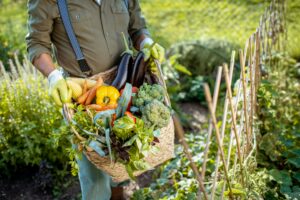
Organic gardening offers a natural way to grow healthy plants while protecting the environment. Instead of relying on synthetic fertilizers and pesticides, gardeners use natural materials and simple techniques to improve soil quality, support plant growth, and control pests. This approach creates a balanced growing environment where plants can develop strong roots and resist common problems.
Growing a successful organic garden requires patience, attention, and an understanding of how plants interact with their surroundings. Healthy soil, proper watering, sunlight, and natural pest control all contribute to stronger plants. Whether you grow vegetables, flowers, or herbs, organic gardening helps you create a productive outdoor space while reducing your dependence on synthetic chemicals.
Understanding the Basics of Organic Gardening
Organic gardening focuses on supporting natural processes rather than using synthetic products to force plant growth. Gardeners improve soil health with compost, protect beneficial insects, and choose plants that suit local growing conditions. These practices encourage steady development and help plants handle environmental challenges. A healthy garden also supports earthworms, microorganisms, and other living organisms that improve soil structure and nutrient availability.
One important principle involves prevention. Instead of waiting for pests or diseases to damage plants, organic gardeners create conditions that reduce these problems. Proper spacing, balanced watering, and healthy soil can prevent many common gardening issues. By understanding what each plant needs, gardeners can make better decisions and maintain a thriving garden throughout the growing season.
Building Healthy Soil With Natural Materials
Healthy soil forms the foundation of successful organic gardening. Plants depend on soil for water, nutrients, and physical support. When soil contains enough organic matter, it holds moisture while allowing excess water to drain. Compost made from vegetable scraps, fallen leaves, and untreated grass clippings adds valuable nutrients. It also encourages beneficial organisms that break down organic materials and make nutrients available to plant roots.
Gardeners should also pay attention to soil texture and drainage. Heavy clay soil may hold too much water, while sandy soil can dry quickly. Adding finished compost helps improve both conditions over time. Avoid working with soil when it is extremely wet because this can damage its structure. Applying a layer of organic mulch also protects the surface from erosion, extreme temperatures, and moisture loss.
Choosing Plants That Thrive in Your Climate
Selecting suitable plants makes organic gardening easier and more rewarding. Every plant has specific needs related to temperature, sunlight, moisture, and soil conditions. Choosing varieties that naturally grow well in your region reduces stress and lowers the risk of disease. Native flowers and locally adapted vegetables often require fewer interventions because they can handle familiar weather patterns and seasonal changes.
Before planting, observe how sunlight moves across your garden during the day. Most fruiting vegetables need at least six hours of direct sunlight, while many leafy greens tolerate partial shade. Check plant labels or reliable growing guides to understand spacing and temperature requirements. Giving each plant enough room improves airflow and reduces competition for nutrients. Proper planning encourages healthier growth and makes garden maintenance more manageable.
Watering Plants Naturally and Efficiently
Water plays an essential role in plant development, but too much or too little can cause serious problems. Overwatering may leave roots without enough oxygen and encourage disease. Underwatering can slow growth and cause leaves to wilt. Organic gardeners should check soil moisture before watering rather than following a fixed schedule. The correct amount depends on plant type, soil texture, weather conditions, and root depth.
Watering near the base of each plant helps moisture reach the roots without soaking the leaves. Early morning watering often works best because plants can absorb moisture before temperatures rise. Drip irrigation and soaker hoses deliver water slowly and reduce waste. Collecting rainwater, where local rules permit, provides another useful option. Adding mulch around plants helps the soil retain moisture, which can reduce the need for frequent watering.
Feeding Plants With Organic Nutrients
Plants need nutrients to develop healthy roots, stems, leaves, flowers, and fruit. Organic gardening uses natural materials to replenish nutrients as plants grow. Finished compost provides a range of nutrients and improves soil quality. Other options include aged animal manure from suitable sources, worm castings, and approved organic fertilizers. These materials can support plant growth while helping maintain a healthy soil environment.
However, adding too much fertilizer can harm plants even when the product comes from natural sources. Excess nutrients may encourage weak growth, reduce flowering, or wash into nearby waterways. A soil test helps gardeners understand which nutrients are already available and which may be lacking. Applying the right amount at the appropriate time supports balanced development. Healthy plants usually benefit more from consistent soil care than frequent fertilizer applications.
Managing Garden Pests Without Synthetic Pesticides
Insects are a normal part of a healthy garden. Some damage plants, while others help control harmful pests or pollinate flowers. Ladybugs, lacewings, and certain wasps feed on insects that can weaken crops. Gardeners can encourage these helpful species by growing flowering plants and providing suitable habitats. Avoiding unnecessary pesticide treatments also protects beneficial insects and allows natural pest control to develop.
Regular inspection helps gardeners identify problems before they spread. Check the undersides of leaves for eggs, insects, or unusual damage. Handpicking larger pests, removing heavily affected leaves, and using lightweight insect barriers can protect vulnerable plants. Barriers should be removed or opened when insect-pollinated crops begin flowering. When other methods fail, carefully selected organic pest control products may help, but gardeners should always follow label instructions and protect pollinators.
Preventing Plant Diseases Through Better Garden Care
Plant diseases often develop when moisture, poor airflow, and environmental stress create favorable conditions for harmful organisms. Crowded plants can trap humidity around their leaves, increasing the risk of fungal problems. Proper spacing allows air to circulate and helps foliage dry after rainfall. Watering directly into the soil also limits unnecessary leaf moisture and supports healthier growing conditions.
Good garden hygiene further reduces disease risks. Remove infected plant material and clean gardening tools when moving between affected and healthy plants. Avoid placing seriously diseased material in home compost unless the composting process can reliably destroy the pathogens involved. Rotating vegetable crops between growing seasons may also reduce certain soilborne diseases. These preventive practices help gardeners maintain healthier plants without depending on synthetic treatments.
Using Mulch to Protect Soil and Plant Roots
Mulching offers several benefits for organic gardens. A protective layer of shredded leaves, untreated straw, or wood chips reduces water evaporation and limits weed growth. Mulch also shields the soil from heavy rain and extreme temperatures. As suitable organic materials slowly break down, they contribute organic matter that improves soil structure and supports beneficial soil organisms.
The type of mulch should match the plants and growing conditions. Vegetable beds often benefit from straw or shredded leaves, while wood chips work well around established shrubs and trees. Keep mulch away from plant stems and tree trunks to prevent excess moisture from collecting against them. Applying a moderate layer protects without restricting airflow or creating overly wet conditions around young plants.
Encouraging Pollinators and Beneficial Wildlife
Pollinators help many flowering plants produce fruit and seeds. Bees, butterflies, and other insects transfer pollen between flowers as they search for food. Organic gardeners can support these species by growing a variety of flowering plants that bloom at different times. Native flowers are particularly useful because they often provide food and shelter for insects adapted to the local environment.
A wildlife-friendly garden also benefits from small areas of natural habitat. Leaving some leaf litter in appropriate locations, providing shallow water sources, and growing diverse plants can attract helpful organisms. Birds may feed on caterpillars and other garden insects, while ground beetles consume certain pests. Encouraging biodiversity helps create a balanced environment where plants and wildlife can coexist.