Mastering the Mental Game: How Elite Poker Players Build Lasting Competitive Confidence


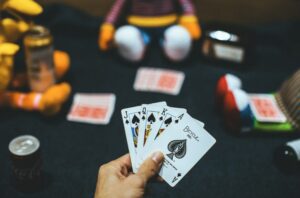
Poker rewards skill, strategy, and patience, but it also tests emotional control every time you sit at the table. While many players focus on learning odds and reading opponents, the strongest competitors understand that success begins in the mind. Developing emotional resilience allows players to stay calm under pressure, recover from setbacks, and make better decisions throughout every session. As a result, mental strength often separates consistent winners from talented players who struggle to reach their potential. By training your mindset with the same dedication you give your technical skills, you can improve your confidence and perform at a much higher level.
Building Confidence Before Every Session
Confidence in poker does not come from hoping for good cards. Instead, it grows through preparation and consistent habits. Professional players review previous hands, study common situations, and enter every game with a clear plan. Because of this preparation, they trust their decisions even when the results do not immediately go their way.
Moreover, healthy confidence differs from arrogance. Confident players respect their opponents and understand that anyone can win a single hand. However, they believe in their long-term process. Therefore, they avoid chasing impossible outcomes and continue making smart choices regardless of temporary losses.
Staying Calm When Pressure Rises
Every poker player experiences stressful moments. Large pots, tournament bubbles, and difficult opponents can create emotional tension. However, professionals learn to recognize these feelings instead of allowing emotions to control their actions. They pause, breathe, and focus on making the best possible decision.
In addition, experienced players accept uncertainty. They understand that even perfect decisions sometimes produce bad outcomes. Since they cannot control the cards, they focus on controlling their reactions. This approach reduces frustration and creates more consistent performance over time.
Turning Losses Into Valuable Lessons
Losing is part of poker, even for world-class professionals. Therefore, successful players never judge themselves based on a single session. Instead, they evaluate whether they followed their strategy and made logical decisions throughout the game.
Furthermore, reviewing mistakes creates lasting improvement. Rather than blaming luck, professionals analyze difficult hands and identify better options. This habit builds stronger decision-making skills while reducing the emotional weight of future losses. Eventually, every setback becomes another opportunity to improve.
Developing Strong Decision Habits
Winning poker requires thousands of decisions, not just a few dramatic moments. Because of this, professionals develop routines that help them stay focused throughout long sessions. They avoid rushing important choices and carefully evaluate every situation before acting.
Additionally, many players strengthen their cognitive endurance through regular study, healthy sleep, and physical exercise. Mental energy directly affects judgment, so taking care of the body also protects decision quality. As concentration improves, players become more consistent during both short games and marathon tournaments.
Managing Emotions After Bad Beats
Bad beats create some of the biggest emotional challenges in poker. Even when players make the correct decision, unexpected cards can completely change the outcome. Although disappointment is natural, emotional reactions often lead to poor decisions in the following hands.
Instead of chasing losses, professional players reset their mindset immediately. They remind themselves that variance exists in every poker game. Then they return their attention to the current hand rather than thinking about what already happened. Consequently, they protect both their bankroll and their confidence.
Creating Daily Habits for Mental Growth
Mental toughness does not appear overnight. Rather, it develops through consistent daily habits. Many successful players spend time reading, journaling, meditating, or reviewing their sessions before and after playing. These simple routines strengthen emotional awareness while improving focus.
Likewise, setting realistic goals keeps motivation high. Instead of measuring success only by profits, professionals often evaluate decision quality, discipline, and preparation. Since these goals remain within their control, they provide greater satisfaction even during difficult periods.
Learning to Think Beyond Short-Term Results
Poker constantly challenges players to separate outcomes from decision quality. A great decision can lose, while a poor decision can sometimes win. Therefore, judging every session by profit alone creates emotional instability and slows long-term progress.
Successful professionals measure performance over hundreds or even thousands of hands. They understand that consistency eventually overcomes short-term luck. As a result, they remain patient during losing streaks and avoid making emotional adjustments that damage their overall strategy.
Creating a Lasting Champion’s Mindset
Developing a performance mindset takes time, discipline, and honest self-reflection. Strong mental habits allow players to stay focused, recover from setbacks, and continue improving regardless of temporary results. Every challenging session becomes another chance to strengthen emotional control and sharpen decision-making.
Ultimately, poker is much more than a card game. It is a continuous test of discipline, patience, confidence, and resilience. Players who invest in both their technical skills and their mental development create a strong foundation for long-term success. While luck may influence individual hands, lasting achievement belongs to those who consistently master their thoughts, trust their preparation, and keep learning with every game.