The Role of Proper Nutrition in Successful Plant Cultivation


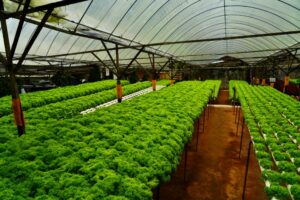
Successful plant cultivation depends on more than regular watering and sufficient sunlight. Proper plant nutrition plays an equally important role in supporting healthy growth, strong roots, and productive harvests while contributing to environmental protection through responsible soil and fertilizer management. Plants need essential nutrients to develop healthy foliage, produce flowers, and withstand environmental stress. Without balanced nutrition, even well-maintained gardens can experience slow growth, weak stems, and poor yields. Adopting a strategic approach to soil nutrition helps gardeners create favorable growing conditions, reduce unnecessary chemical use, and maintain healthier plants throughout the growing season. Understanding how nutrients support plant development makes it easier to improve garden productivity and achieve consistent results.
Understanding Essential Plant Nutrients
Plants require several essential nutrients to complete their natural growth processes. Nitrogen, phosphorus, and potassium are the three primary nutrients needed in relatively large amounts. Nitrogen supports leaf development and green foliage, while phosphorus encourages healthy root growth and flower production. Potassium helps regulate water movement, strengthens plant tissues, and improves resistance to environmental stress. Providing these nutrients in appropriate amounts supports balanced plant development.
In addition to primary nutrients, plants need smaller amounts of nutrients such as calcium, magnesium, sulfur, iron, and zinc. These nutrients contribute to important functions, including chlorophyll production, nutrient absorption, and healthy cell development. A deficiency in any essential nutrient can affect plant health and reduce productivity. Understanding these nutritional requirements allows gardeners to make better decisions about soil improvement and fertilizer application.
The Importance of Healthy Soil
Healthy soil provides the foundation for successful plant cultivation. It supplies essential nutrients, supports root development, and helps plants absorb water efficiently. Soil rich in organic matter generally provides better growing conditions because it improves soil structure and supports beneficial microorganisms. These microorganisms help break down organic materials and release nutrients that plants can absorb. Maintaining healthy soil creates a stable environment for continuous plant growth.
Gardeners can improve soil quality by adding compost, aged manure, and other suitable organic materials. These additions increase nutrient availability and improve moisture retention. Testing soil regularly also helps identify nutrient deficiencies and imbalances before they affect plant development. Instead of applying fertilizer without understanding soil conditions, gardeners can use test results to select appropriate treatments. This approach supports effective soil management and reduces unnecessary fertilizer use.
Choosing the Right Fertilizer
Selecting the right fertilizer is important for meeting the nutritional needs of different plants. Some plants require more nitrogen for leafy growth, while flowering and fruit-producing varieties may benefit from balanced phosphorus and potassium levels. Fertilizers are available in organic and synthetic forms, each offering different benefits. Organic options release nutrients gradually and can improve soil quality, while synthetic fertilizers provide nutrients in more concentrated and readily available forms.
Before choosing a fertilizer, gardeners should consider plant varieties, soil conditions, and growth stages. Reading product labels helps identify the right nutrient ratio and application instructions. Using suitable fertilizer at the right time improves plant development and prevents nutrient buildup. A balanced fertilization strategy supports healthier foliage, stronger roots, and better harvests. Regular gardening also promotes a healthy lifestyle, reduces stress, and encourages outdoor activities.
Proper Nutrient Application Techniques
Applying nutrients correctly is just as important as selecting the right fertilizer. Excessive fertilizer application can damage roots, cause leaf burn, and create nutrient imbalances. On the other hand, insufficient application may leave plants without the resources they need for healthy development. Following recommended application rates helps maintain balanced soil nutrition and prevents avoidable plant damage.
Gardeners should also consider the timing and method of fertilizer application. Some fertilizers work best when mixed into the soil before planting, while others are applied during active growth. Watering after applying certain fertilizers can help move nutrients into the root zone. However, product instructions should always guide application methods. Consistent monitoring allows gardeners to adjust their approach as plants develop and their nutritional needs change.
Recognizing Nutrient Deficiencies
Recognizing nutrient deficiencies early helps prevent long-term damage to plants. Yellowing leaves, weak stems, poor flowering, and slow growth can indicate nutritional problems. For example, nitrogen deficiency often causes older leaves to turn yellow, while phosphorus deficiency may result in slow development and poor root growth. Potassium deficiency can appear as brown or yellow leaf edges. These symptoms provide useful clues about possible nutrient imbalances.
However, similar symptoms can also result from overwatering, underwatering, pests, or plant diseases. Gardeners should examine overall growing conditions before deciding that fertilizer is necessary. Soil testing can help confirm whether a specific nutrient is missing or available in unsuitable amounts. Identifying the actual cause makes it easier to choose effective solutions and restore healthy plant growth.
The Benefits of Organic Nutrient Management
Organic nutrient management offers a practical way to improve soil fertility while supporting sustainable gardening practices. Compost, aged manure, leaf mold, and other natural materials add valuable nutrients and organic matter to the soil. They also encourage beneficial soil organisms that contribute to nutrient cycling. Over time, regular organic matter additions can improve soil structure, moisture retention, and root development.
Another benefit of organic soil management is its contribution to long-term growing conditions. Healthy soil can support more consistent plant development and reduce dependence on frequent fertilizer applications. Gardeners can combine organic materials with carefully selected fertilizers when additional nutrients are needed. This balanced approach helps maintain soil quality while supporting productive gardens and responsible resource management.
Building a Consistent Plant Nutrition Strategy
Successful plant cultivation requires regular attention to soil health and nutritional needs. Gardeners should monitor plant growth, inspect foliage, and adjust nutrient applications according to seasonal conditions. Different plants have different requirements, so a single fertilizer routine may not work for every garden. Keeping track of soil test results and plant responses can help identify effective practices and prevent repeated mistakes.
Proper nutrition, healthy soil, and responsible fertilizer use work together to create better growing conditions. When gardeners provide essential nutrients in suitable amounts, plants can develop stronger roots, healthier leaves, and improved resistance to environmental challenges. Consistent care and informed nutrient management also support better harvests and more productive growing spaces. By prioritizing balanced plant nutrition, gardeners can achieve long-term success and maintain thriving gardens across changing seasons.