Organic Gardening Tips: How to Grow Healthy Plants Without Chemicals


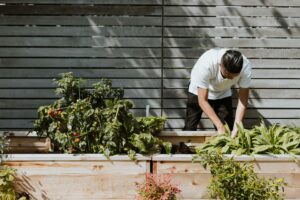
Growing healthy plants without synthetic chemicals is easier when you build strong soil, choose the right plants, and support natural growth. Organic gardening isn’t complicated. It is about creating a healthy environment where plants can grow with less stress and fewer problems.
A successful organic garden starts with simple habits. Understand your soil, water carefully, feed plants naturally, and watch for early signs of pests or disease. When you improve the garden step by step, your plants become stronger and more able to handle changing conditions.
Start With Healthy, Living Soil
Healthy soil is the foundation of every strong garden. Plants depend on soil for water, nutrients, and support. Poor soil can weaken plants, even when they receive plenty of sunlight. Before planting, loosen the soil and remove weeds, rocks, and old roots that may block growth.
Add natural materials such as compost, aged manure, or decayed leaves to improve the soil. These materials help the soil hold water while still allowing air to reach plant roots. They also support tiny organisms that help break down nutrients. When soil stays healthy, plants can grow stronger without heavy use of artificial products.
Choose Plants That Suit Your Garden
Plants grow best when they match the conditions around them. Before choosing what to grow, look at how much sunlight your garden receives each day. Some plants need full sun, while others perform better with a few hours of shade. Also consider your local climate and the type of soil in your yard.
Healthy plants usually begin with good plant selection. Choose varieties that can handle your area’s weather. Local or well-adapted plants often need less care because they already suit the environment. When plants grow in conditions they naturally prefer, they become less likely to suffer from stress, disease, or insect damage.
Feed Plants With Natural Materials
Plants need nutrients to grow, but they do not always need chemical fertilizers. Compost is one of the best ways to feed a garden naturally. It slowly releases nutrients into the soil while improving soil structure. This creates steady support for plant roots.
You can also use natural materials such as grass clippings, dry leaves, or other well-rotted organic matter around the garden. These materials break down over time and return nutrients to the soil. Avoid adding too much at once. Slow, regular feeding usually produces healthier growth than forcing plants to grow quickly.
Water Deeply and at the Right Time
Proper watering is essential for organic gardening. Plants need enough water to grow strong roots, but too much moisture can create problems. Frequent shallow watering encourages roots to stay near the soil surface. These plants may struggle during hot or dry weather.
When possible, water more deeply and less often. This encourages roots to grow farther into the soil. Early morning is usually a good time to water because plants can absorb moisture before the day’s heat. Try to water the soil rather than the leaves, since wet leaves can sometimes increase the chance of disease.
Control Weeds Without Harsh Chemicals
Weeds compete with garden plants for water, light, and nutrients. Removing them early makes garden care much easier. Hand pulling is one of the simplest methods, especially when the soil is slightly moist. Try to remove the roots so weeds don’t return quickly.
Mulch can also reduce weed growth. Spread natural material such as straw, shredded leaves, or untreated wood chips around your plants. Mulch blocks sunlight from reaching weed seeds and also helps the soil stay moist. As it breaks down, it can improve the soil and add useful organic matter.
Manage Pests With Natural Methods
A few insects do not always mean your garden is in trouble. Many gardens contain both harmful and helpful insects. Some insects feed on pests and help keep the natural balance. Before taking action, identify what is causing the damage and decide whether the problem is serious.
You can often control pests by removing affected leaves, washing insects off plants with water, or encouraging helpful insects into the garden. Strong plants can also resist damage better than weak ones. Avoid using harsh products unless necessary, since they may harm beneficial insects along with the pests.
Prevent Plant Diseases Naturally
Plant diseases often become worse when plants stay wet, crowded, or stressed. Give each plant enough space so air can move between the leaves. Good airflow helps plants dry faster after rain or watering. This can reduce the chance of many common problems.
Remove unhealthy leaves as soon as you notice them. Do not leave badly damaged plant material lying near healthy plants. Clean garden tools regularly, especially after working with a sick plant. Simple prevention is often more effective than trying to fix a serious disease after it spreads.
Use Mulch to Protect the Soil
Mulch offers several benefits in an organic garden. It helps slow water loss during hot weather and protects the soil surface from heavy rain. It can also keep the soil temperature more stable, which helps plant roots during changing weather.
Natural mulch improves the garden as it breaks down. Materials such as straw, dry leaves, and small pieces of bark can gradually add organic matter to the soil. Keep mulch a short distance away from plant stems. This helps prevent excess moisture from collecting directly around the base of the plant.
Rotate Crops When Possible
Growing the same type of plant in the same place year after year can create problems. Certain pests and diseases may build up in the soil. The plants may also use the same nutrients repeatedly, which can weaken the soil over time.
Changing where you grow vegetables each season can help reduce these problems. For example, you can plant a different group of crops in each garden area the following year. Even a simple rotation can support healthier soil and reduce the chance of repeated pest issues.
Encourage Helpful Wildlife
A healthy organic garden works best as part of a balanced natural environment. Birds, bees, butterflies, and beneficial insects can all support plant health. Pollinators help flowers produce fruit, while some insects feed on garden pests.
Planting a variety of flowers can attract these helpful visitors. You can also provide shallow water sources and avoid disturbing every natural area in the garden. A garden with more life often becomes easier to manage because nature helps control some problems.
Pay Attention to Your Plants
Regular observation is one of the most useful gardening habits. Walk through your garden and look at the leaves, stems, flowers, and soil. Small changes can reveal problems before they become serious. Yellow leaves, holes, unusual spots, or weak growth may all give you useful clues.
You do not need to react strongly to every change. Sometimes a plant needs more water, better sunlight, or extra time to adjust. Watch patterns over several days before making major changes. Careful observation helps you understand what your plants need and prevents unnecessary treatments.
Build a Healthy Garden Over Time
Organic gardening works best when you focus on long-term improvement. You may not see perfect results in the first season. Soil quality improves gradually, and plants respond better as the garden becomes more balanced. Each season gives you new information about what works well.
Keep learning from your garden and make small changes when needed. Add compost, protect the soil, choose suitable plants, and support natural systems. Healthy plants often come from healthy growing conditions, not from quick solutions. With patience and consistent care, you can build a productive garden without depending on synthetic chemicals.
Organic gardening offers a simple way to grow plants while caring for the soil and the environment. The process begins with strong soil and continues through thoughtful planting, watering, feeding, and pest control. These habits help create plants that are naturally stronger and easier to maintain.