How to Improve Soil Quality for a Healthier Garden


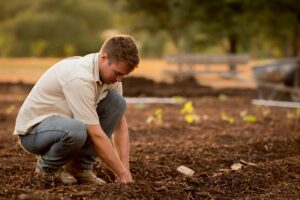
Healthy soil gives every garden a stronger start. It holds water, stores nutrients, supports roots, and helps plants grow with less stress. When soil stays loose and rich, plants can take in what they need more easily. Flowers bloom better, vegetables grow stronger, and garden beds become easier to manage. Poor soil often causes slow growth, weak roots, yellow leaves, and drainage problems. These issues can make gardening frustrating, even when you water and care for plants regularly.
You can improve soil quality with simple habits and natural materials. You do not need expensive products or complicated methods. Small changes can make a big difference when you repeat them over time. Compost, mulch, proper watering, and careful soil care can slowly create a healthier growing space. The goal is to build soil that stays active, balanced, and full of life. When you focus on improving the ground first, your plants often become healthier as a result.
Understand the Soil You Already Have
Before you change your soil, take time to understand its condition. Pick up a small amount and feel its texture. Sandy soil feels loose and gritty. It drains quickly and often dries out fast. Clay soil feels sticky when wet and becomes hard when dry. It holds water longer but may prevent air from reaching roots. Soil that feels soft and crumbly often provides better conditions for most garden plants.
You should also watch how water behaves after rain or watering. If water disappears too quickly, the soil may not hold enough moisture. If water sits on the surface for a long time, the soil may be too compacted. You can also use a simple soil test to learn about acidity and nutrient levels. This information helps you choose the right improvements instead of adding materials without a clear reason.
Add Compost to Feed and Improve the Soil
Compost is one of the easiest ways to improve soil quality. It adds natural material that helps the soil hold both water and nutrients. Compost also makes heavy soil easier to work with. In sandy soil, it helps slow down water loss. In clay soil, it creates more space for air and roots.
Spread compost over garden beds before planting or between growing seasons. You can mix it gently into the top layer or leave it on the surface. Worms and other small soil creatures will help move it deeper over time. Use fully broken-down compost whenever possible. Fresh waste may take nutrients from the soil while it continues to break down.
Protect the Soil With Organic Mulch
Mulch covers the soil and protects it from strong sun, heavy rain, and fast moisture loss. You can use materials such as dry leaves, straw, grass clippings, or small pieces of bark. A layer of mulch keeps the surface cooler and helps water stay in the ground longer. This can reduce the amount of watering your garden needs.
Mulch also improves the soil as it breaks down. Small organisms feed on the material and slowly turn it into useful organic matter. Mulch can also reduce weed growth because it blocks sunlight from reaching many weed seeds. Leave a small space around plant stems so moisture does not stay trapped directly against them.
Water in a Way That Supports Strong Roots
Watering affects soil quality more than many gardeners realize. Frequent light watering keeps moisture near the surface. This can encourage roots to stay shallow. Shallow roots dry out faster during hot weather and may struggle to reach nutrients deeper in the soil.
Water more slowly and deeply when your plants need moisture. This allows water to travel farther into the ground and encourages deeper root growth. Check the soil before watering again. If it still feels moist below the surface, wait a little longer. Too much water can push out air and create poor conditions around the roots.
Avoid Pressing and Overworking the Soil
Soil needs small spaces for water, air, roots, and living organisms. Walking on garden beds can press the soil together and remove those spaces. Wet soil becomes compacted even more easily. Once this happens, roots may struggle to grow, and water may stop soaking into the ground properly.
Create paths between your garden beds, so you do not need to step where plants grow. Avoid digging deeply unless the soil truly needs it. Too much digging can disturb worms and other helpful life below the surface. If the ground feels hard, loosen it gently with a garden fork instead of turning the entire bed.
Use Natural Materials to Add More Nutrients
Healthy soil needs a steady supply of nutrients. Compost provides many of them, but other natural materials can also help. Aged manure, broken-down leaves, and well-rotted plant material can improve soil fertility. These materials release nutrients slowly and help build better soil structure.
Use aged materials rather than fresh manure or plant waste. Fresh material can be too strong for young roots and may cause problems while it breaks down. Add small amounts over time rather than applying too much at once. Soil often responds better to regular, gentle care than sudden heavy treatments.
Keep the Soil Covered When Beds Are Empty
Empty soil can lose moisture, nutrients, and structure. Rain can wash away the surface, while sun can dry it out and make it hard. Keeping the ground covered helps protect the soil even when you are not growing your main garden plants.
You can cover empty beds with mulch or grow simple plants during the off-season. These plants protect the surface and keep roots in the ground. Their roots help hold soil in place and create spaces for air and water. When the plants finish growing, you can cut them down and allow the material to return to the soil.
Encourage Worms and Other Helpful Soil Life
Good garden soil contains many small living things. Worms, fungi, and bacteria help break down natural materials and release nutrients. Worms also create small tunnels as they move through the soil. These tunnels help water and air reach plant roots.
You can support this soil life by adding compost and keeping the ground moist but not soaked. Avoid using harsh products unless they are truly needed. Healthy soil organisms work quietly in the background, improving the soil over time. The more active the soil becomes, the easier it is for plants to find the nutrients they need.
Rotate Plants to Keep the Soil Balanced
Growing the same type of plant in the same place every year can weaken the soil. Some plants use large amounts of certain nutrients. If you repeat the same crop, those nutrients may become harder to replace. Some pests and plant diseases can also remain in the soil and cause problems the following year.
Move different plant families to new areas each season when possible. For example, you can grow beans in a bed after vegetables that used more nutrients. Changing plant locations spreads the demand across your garden. This simple habit can support healthier soil and reduce repeated problems.
Build Better Soil With Patience and Consistency
Pay attention to how your garden responds each year. Stronger roots, better drainage, fewer dry spots, and healthier plants all show that the soil is improving. Keep adding natural materials and protecting the ground. Small habits repeated each season can create soil that supports a stronger and more productive garden.
Healthy soil creates the base for healthy plants. When you care for the ground, you help every part of the garden perform better. You can improve moisture control, nutrient levels, root growth, and soil life through simple natural practices. These improvements do not require complex tools or expensive products. They depend on steady care and good decisions. Over time, your soil can become richer, easier to manage, and better able to support flowers, vegetables, herbs, and other plants throughout the growing season.