Soil Power Transformation: A Complete Guide to Boosting Garden Productivity Through Natural Soil Improvement


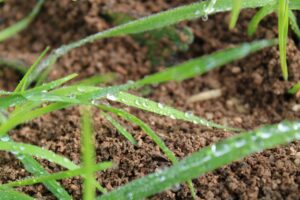
Soil quality is the most important factor in determining how well a garden performs. Healthy soil provides plants with nutrients, water, oxygen, and support for root development. When soil quality is poor, plants struggle to grow, even if sunlight and watering conditions are ideal.
Improving soil is essential for anyone who wants consistent harvests and strong plant growth. It is not a single task but an ongoing process that gradually builds fertility and structure over time. A well-maintained soil ecosystem supports beneficial organisms that help break down organic matter and make nutrients available to plants.
Understanding soil health allows gardeners to make informed decisions that lead to long-term productivity and healthier plants.
Understanding What Makes Soil Healthy
Healthy soil is a living system made up of minerals, organic matter, air, water, and microorganisms. Each component plays a vital role in supporting plant life and maintaining balance within the soil environment.
Minerals provide structure and essential nutrients. Organic matter improves fertility and moisture retention. Air spaces allow roots to breathe, while water transports nutrients throughout the soil. Microorganisms such as bacteria and fungi break down organic material and recycle nutrients for plant use.
When these elements are balanced, soil becomes fertile, stable, and highly productive. When they are not balanced, plants may suffer from poor growth, weak roots, and nutrient deficiencies.
Building Soil Fertility Through Organic Matter
One of the most effective ways to improve soil quality is by increasing its organic matter content. Organic matter acts as a natural conditioner that enhances soil structure and boosts fertility.
Compost is the most widely used form of organic matter. It is created by decomposing kitchen waste, leaves, grass clippings, and plant residues into nutrient-rich material. When added to soil, compost improves texture, increases water retention, and supports microbial activity.
Other organic materials such as aged manure, leaf mold, and decomposed plant matter also contribute to soil enrichment. These materials release nutrients slowly over time, ensuring steady nourishment for plants.
Regular addition of organic matter transforms poor soil into a fertile and productive growing environment.
Improving Drainage for Healthier Plant Roots
Proper drainage is essential for maintaining healthy soil conditions. Soil that retains too much water can suffocate roots and lead to disease, while soil that drains too quickly may not retain enough moisture for plant growth.
Improving soil structure helps balance water movement. Adding organic matter creates air pockets within the soil, allowing excess water to drain while retaining enough moisture for plant use.
Clay-heavy soils benefit from organic amendments that loosen compact particles. Sandy soils benefit from organic matter that improves water retention and nutrient holding capacity.
Balanced drainage ensures that plants receive consistent hydration without stress or root damage.
Enhancing Soil Aeration for Strong Growth
Soil aeration refers to the amount of air present in the soil. Proper aeration is necessary for root respiration and microbial activity.
Compacted soil restricts air movement and makes it difficult for roots to grow. Loosening the soil improves oxygen flow and allows roots to expand more freely.
Simple practices such as turning the soil or using garden tools to break up compacted layers can significantly improve aeration. Over time, organic matter helps maintain a loose and healthy soil structure.
Improved aeration leads to stronger root systems and healthier plants.
Maintaining Balanced Soil pH for Nutrient Absorption
Soil pH affects how plants absorb nutrients. Even nutrient-rich soil can become ineffective if the pH level is not balanced properly.
Most garden plants prefer slightly acidic to neutral soil conditions. When soil becomes too acidic or too alkaline, plants may struggle to absorb essential nutrients.
Testing soil pH helps gardeners understand whether adjustments are needed. Organic materials such as compost can gradually help stabilize pH levels over time.
Maintaining proper pH ensures that nutrients remain available to plants, supporting healthy growth and improved yields.
Using Compost as a Long-Term Fertility Solution
Composting is one of the most powerful methods for improving soil quality over time. It transforms organic waste into nutrient-rich material that enhances soil health naturally.
A balanced compost system includes nitrogen-rich materials such as fruit scraps and fresh plant waste, along with carbon-rich materials like dried leaves and paper products. Over time, microorganisms break these materials down into humus.
Adding compost to soil improves fertility, enhances structure, and increases microbial activity. It also reduces the need for chemical fertilizers, making gardening more sustainable.
Mulching for Soil Protection and Enrichment
Mulching is an effective method for protecting soil while improving its quality. It involves covering the soil surface with organic materials.
Mulch helps retain moisture, reduce evaporation, and regulate soil temperature. It also suppresses weed growth, reducing competition for nutrients.
As mulch decomposes, it adds organic matter back into the soil, improving fertility over time. This continuous cycle of protection and enrichment makes mulching an essential soil care practice.
Crop Rotation for Sustainable Soil Health
Crop rotation is an important strategy for maintaining long-term soil fertility. It involves changing the types of crops grown in a specific area each season.
Different plants use different nutrients from the soil. Rotating crops helps prevent nutrient depletion and reduces the risk of pests and diseases.
For example, legumes help restore nitrogen levels in the soil, while leafy vegetables and root crops help balance nutrient usage. This method keeps soil productive and healthy over time.
Supporting Soil Microorganisms for Better Growth
Soil is a living ecosystem filled with microorganisms that support plant health. These organisms break down organic matter and convert it into nutrients that plants can absorb.
Improving soil naturally increases microbial activity. Adding compost, reducing chemical use, and maintaining proper moisture levels all help support a healthy soil ecosystem.
A strong microbial population improves nutrient cycling and enhances plant resilience.
Long-Term Strategies for Soil Improvement
Improving soil quality requires consistent effort over time. Regular addition of organic matter, proper watering practices, mulching, and crop rotation all contribute to long-term soil health.
As soil improves, it becomes more fertile, better structured, and more capable of supporting diverse plant life. This leads to healthier plants and higher productivity with less effort.
Sustainable soil management is the foundation of successful gardening.
Improving soil quality is essential for creating a healthier and more productive garden. By focusing on organic matter enrichment, proper drainage, balanced pH, aeration, and sustainable practices, gardeners can build a strong foundation for plant growth.
With patience and consistent care, soil becomes richer, more fertile, and capable of producing abundant harvests. Healthy soil is the key to long-term gardening success and sustainable food production.