Natural Garden Protection: Safe and Effective Ways to Keep Pests Away from Your Plants


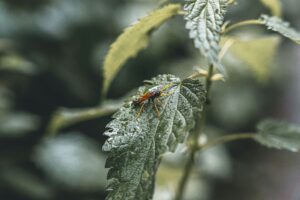
Healthy gardens require protection from harmful insects and plant diseases, yet many gardeners now prefer natural pest control methods. Chemical products may offer fast results, but they can also harm beneficial insects and damage soil quality over time. Therefore, natural pest control creates a safer and more balanced garden environment.
Moreover, natural gardening methods support long-term plant health instead of temporary fixes. When gardeners avoid harsh chemicals, they foster stronger soil ecosystems and healthier growth. As a result, plants often become more resilient against future pest problems. In addition, natural solutions help protect pets, wildlife, and people who spend time in the garden.
Understanding the Causes of Pest Problems
Before solving pest issues, gardeners should understand why pests appear in the first place. Weak plants often attract insects because they struggle to defend themselves naturally. At the same time, overcrowded gardens create damp and unhealthy conditions that encourage pest activity. Therefore, proper plant care becomes the first step in prevention.
In addition, poor soil quality can weaken plant growth and increase vulnerability to disease. When plants lack nutrients, they cannot recover quickly from damage. As a result, insects and fungi spread more easily throughout the garden. By understanding these causes, gardeners can build stronger defenses before serious problems begin.
Creating a Healthy Garden Environment
A healthy garden naturally discourages many common pests. Strong plants resist insects more effectively because they grow with better structure and vitality. Therefore, gardeners should focus on improving soil quality and maintaining consistent care routines.
Moreover, proper spacing between plants improves airflow and reduces moisture buildup. This simple step helps prevent fungal growth and discourages insects that prefer crowded environments. In addition, gardeners should quickly remove dead leaves and damaged plants to prevent pests from spreading. As a result, the garden stays cleaner and healthier throughout the growing season.
Using Companion Planting for Natural Protection
Companion planting offers an effective way to reduce pest activity without harmful chemicals. Certain plants naturally repel insects through their scent or chemical properties. Therefore, gardeners can place protective plants near vegetables and flowers to create a safer growing environment.
For example, herbs and flowering plants often discourage harmful insects while attracting pollinators. At the same time, beneficial insects help control pest populations naturally. As a result, companion planting strengthens the balance within the garden ecosystem. Moreover, this method adds visual variety and supports healthier plant growth.
Encouraging Beneficial Insects in the Garden
Not all insects damage plants, and many actually protect gardens from harmful pests. Ladybugs, lacewings, and other beneficial insects feed on common garden pests, helping maintain a natural balance. Therefore, gardeners should create conditions that attract and support these helpful species.
In addition, flowering plants provide food sources for beneficial insects and encourage them to stay in the area. Gardeners should also avoid unnecessary chemical treatments, as these products can harm beneficial insects as well as pests. As a result, the garden develops a stronger natural defense system over time.
Managing Pests Through Regular Observation
Frequent garden observation helps prevent small problems from becoming serious infestations. When gardeners regularly inspect plants, they can identify early signs of damage and respond quickly. Moreover, early action often eliminates pests before they spread throughout the garden.
At the same time, observation helps gardeners understand how different plants react to environmental conditions. They can notice weak growth, unusual spots, or insect activity before major damage occurs. Therefore, consistent monitoring becomes one of the most effective natural pest control strategies.
Using Natural Sprays and Homemade Solutions
Natural sprays provide additional protection when pest activity increases. Many gardeners create homemade solutions with simple ingredients to discourage insects without damaging plants. Moreover, these methods reduce exposure to harsh chemicals and support safer gardening practices.
For example, gentle soap mixtures and plant-based sprays often help control soft-bodied insects. At the same time, gardeners should apply these treatments carefully and observe how plants respond. As a result, they maintain pest control while protecting overall plant health.
Protecting Soil Health to Prevent Future Problems
Healthy soil supports strong roots and improves plant resistance against pests and disease. Therefore, gardeners should focus on maintaining soil fertility year-round. Compost and organic matter improve soil structure while supporting beneficial microorganisms.
In addition, healthy soil retains moisture more effectively and provides steady nutrients for plant growth. When plants grow under stable conditions, they become less vulnerable to stress and infestation. As a result, gardeners naturally reduce the likelihood of recurring pest problems.
Building Long-Term Success with Natural Gardening
Natural pest control requires patience and consistency, yet it creates lasting benefits for both plants and gardeners. When gardeners work with nature rather than against it, they develop healthier, more productive gardens over time. Moreover, natural methods support environmental balance and encourage sustainable growth practices.
At the same time, gardeners gain a deeper understanding of plant health and the relationships within ecosystems. They learn how prevention, observation, and care work together to naturally reduce pest problems. Therefore, natural pest control is more than a gardening technique because it promotes a healthier, more sustainable approach to growing plants.