Urban Gardening Tips for Apartments and Balconies in Small Spaces


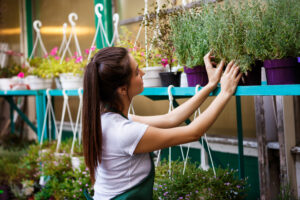
City life often limits outdoor space. However, people still want fresh greenery and healthy plants at home. Fortunately, Urban Gardening allows anyone to grow plants even in small apartments. With the right ideas, balconies, windowsills, and indoor corners can turn into thriving mini gardens.
Urban homes may lack yards, yet creative planning solves that problem. Many apartment residents now successfully grow herbs, vegetables, and flowers. Moreover, plants improve air quality and reduce stress. Therefore, learning smart Urban Gardening techniques helps city dwellers enjoy nature every day.
Choosing the Right Plants for Apartments
Selecting the right plants remains the first step in successful Urban Gardening. Small spaces need plants that adapt well to containers and indoor conditions. Herbs such as basil, mint, and parsley grow easily and require little space. In addition, leafy greens such as lettuce and spinach can be grown quickly in small pots. These plants provide fresh food while adding greenery to your home.
Apartment gardeners should also consider light conditions before choosing plants. For example, balconies with strong sunlight support tomatoes, peppers, and strawberries. Meanwhile, shaded areas work better for ferns, snake plants, and pothos. When you match plants with the available light, they grow stronger and healthier. As a result, your small garden becomes easier to maintain.
Using Containers to Maximize Flexibility
Container gardening is the foundation of urban gardening in apartments. Pots, boxes, and recycled containers allow plants to grow almost anywhere. Gardeners can place containers on shelves, balconies, or windowsills. Because containers remain movable, you can shift plants when sunlight changes throughout the day.
Choosing the correct container size also supports plant growth. Larger pots hold more soil and moisture, which helps roots develop properly. At the same time, containers must include drainage holes so water flows out easily. Without proper drainage, roots may rot, and plants may weaken. Therefore, careful container selection improves the success of apartment gardening.
Making the Most of Vertical Space
Apartments often lack floor space for traditional gardens. However, vertical areas provide excellent opportunities for growing plants. Vertical gardening uses walls, railings, and hanging systems to support plant growth. As a result, plants grow upward rather than spreading across limited floor areas.
Many gardeners install wall planters, ladder shelves, or hanging baskets. These solutions allow several plants to grow in a small location. In addition, vertical designs create attractive green displays that improve apartment interiors. When used correctly, vertical gardening transforms empty walls into productive and beautiful plant spaces.
Building a Productive Balcony Garden
Balconies often provide the best location for Urban Gardening. Even a small balcony can support several containers when arranged carefully. Gardeners should start by measuring the available space and placing containers along the edges. This method keeps the center area open while still allowing plants to receive sunlight.
Balcony railings also offer useful gardening space. Many people install railing planters or hanging pots for herbs and flowers. Furthermore, climbing plants such as beans or cucumbers grow well with small trellises. When gardeners thoughtfully organize plants, balconies become vibrant green environments that support healthy plant growth.
Managing Soil and Plant Nutrition
Healthy soil plays a major role in successful Urban Gardening. Apartment gardeners should use quality potting mix rather than regular garden soil. Potting soil provides proper drainage and allows roots to breathe easily. In addition, it contains nutrients that help plants grow stronger during the early stages.
Plants also need regular feeding as they mature. Gardeners can add compost, organic fertilizers, or liquid plant food to maintain healthy growth. However, balance remains important. Too much fertilizer can harm plants rather than help them. Therefore, following recommended feeding schedules ensures steady and healthy development.
Watering Plants Efficiently
Water management remains essential in apartment gardens. Container plants dry faster than plants growing in the ground. Therefore, gardeners should check soil moisture frequently. When the top layer of soil feels dry, watering becomes necessary to maintain healthy plant growth.
However, excessive watering can cause serious problems. Overwatering may lead to root rot and fungal diseases. For that reason, containers must drain properly after watering. Some gardeners also use self-watering pots, which automatically control moisture levels. These systems make Urban Gardening easier for busy apartment residents.
Expanding and Personalizing Your Garden
Once beginners gain confidence, they can gradually expand their Urban Gardening projects. Starting with a few plants allows gardeners to learn basic care techniques. Later, they can add more herbs, vegetables, or decorative plants to increase garden variety. This gradual approach prevents mistakes and builds strong gardening habits.
Personalizing the garden also makes the space more enjoyable. Decorative pots, small lights, and plant stands create a relaxing environment. In addition, plant labels and creative arrangements improve organization. As the garden grows, the apartment develops a peaceful green corner that encourages relaxation and creativity.
Apartment living does not prevent people from enjoying plants. With thoughtful planning, even the smallest space can support a productive garden. By choosing suitable plants, using containers, and maximizing vertical space, anyone can practice successful Urban Gardening.
Urban environments may feel crowded and busy. However, a small indoor or balcony garden introduces calm and natural beauty. Over time, plants bring freshness, improve air quality, and support healthy lifestyles. With patience and creativity, apartment residents can transform limited spaces into thriving green gardens.